Sofa Scoop Part 2: How to Choose a Sofa That Lasts
This post contains affiliate links, which means I may earn a small commission at no extra cost to you. I only share products I genuinely love, use, or have personally recommended throughout the year.
Sofa Scoop Part Two: How to Choose a Sofa That Lasts
After sharing Sofa Scoop Part One—where hundreds of readers weighed in on the sofas they love and regret—I realized something important. Many of the biggest disappointments weren’t about brand at all. They were about construction choices people didn’t even know they were making.
I know this because I’ve been there myself.
When I bought my first “real” sofa, I thought I was doing everything right. I chose a well-known brand. I picked something that looked timeless. I assumed the higher price meant better quality. And yet, within just a few years, that sofa was uncomfortable, worn, and honestly… a regret.
This post is everything I wish someone had told me before that purchase.
Why Sofa Construction Matters More Than You Think
Most of us shop for sofas the same way we shop for clothes—we focus on how it looks and how it feels in the moment. But a sofa isn’t something you wear for an afternoon. It’s something you live on, every day, for years.
The truth is, what’s inside the sofa matters more than what you see on the outside. Cushion fill, spring system, fabric content, and even where the sofa is made all play a role in how it will feel six months—or six years—from now.

The Bench Cushion Mistake I’ll Never Make Again
Bench cushions look beautiful. Clean, tailored, elevated. That’s exactly why I chose one.
What I didn’t realize is that a single long cushion can’t be rotated or flipped. All the wear concentrates in the same spots—the places you naturally sit every day. Over time, that cushion stretched, wrinkled, and lost its shape far faster than I expected.
Separate seat cushions may not look as sleek in photos, but they age far better in real life. Being able to rotate and flip them makes an enormous difference in longevity.
If you love the look of a bench cushion, just know that you’re trading durability for aesthetics—and decide intentionally.
Why Down-Only Cushions Sound Better Than They Perform
Down-filled cushions are often marketed as the gold standard of comfort. And at first, they do feel wonderful—soft, sink-in cozy, luxurious.
But here’s what no one told me: down without proper foam support requires constant fluffing, compresses unevenly, and loses structure quickly. My sofa cushions were entirely down, with no foam core, and they flattened faster than I ever imagined.
The best-performing sofas I’ve encountered use a blend—foam for structure, with a softer wrap for comfort. That balance gives you support and softness, without the daily maintenance.
The Construction Detail That Actually Predicts Longevity
If there’s one technical term worth knowing when sofa shopping, it’s 8-way hand-tied construction.
This refers to how the springs are secured inside the frame. When springs are tied by hand in eight directions, they stay evenly tensioned and resist sagging far better over time. It’s a traditional method, and it’s still considered the gold standard for long-lasting upholstered furniture.
Not every good sofa has 8-way hand-tied springs—but if longevity is a top priority for you, it’s absolutely worth asking about.
Performance Fabric Isn’t a Guarantee (Here’s Why)
“Performance fabric” has become a buzzword, and understandably so. We all want something that resists spills, stains, and wear.
But here’s the nuance: not all performance fabrics perform the same.
Pilling was one of the biggest issues readers mentioned in Part One, and fabric content is often the culprit. Blended fabrics—especially those mixing synthetic and natural fibers—tend to pill more. Tightly woven, 100% performance fabrics generally hold up better.
Environment matters too. Fuzzy blankets, pet hair, and friction all contribute to pilling. Fabric doesn’t exist in isolation—it lives alongside everything else in your home.
Why Where a Sofa Is Made Still Matters
This part surprised many readers.
Sofas that are hand-constructed in the United States—particularly in long-standing furniture hubs—often rely on time-tested techniques, higher-quality materials, and better quality control. That doesn’t mean every U.S.-made sofa is perfect, or that imported sofas are automatically bad. But craftsmanship and transparency tend to be more consistent.
It’s also worth considering ethical manufacturing practices. Asking where and how a sofa is made isn’t just about quality—it’s about values, too.
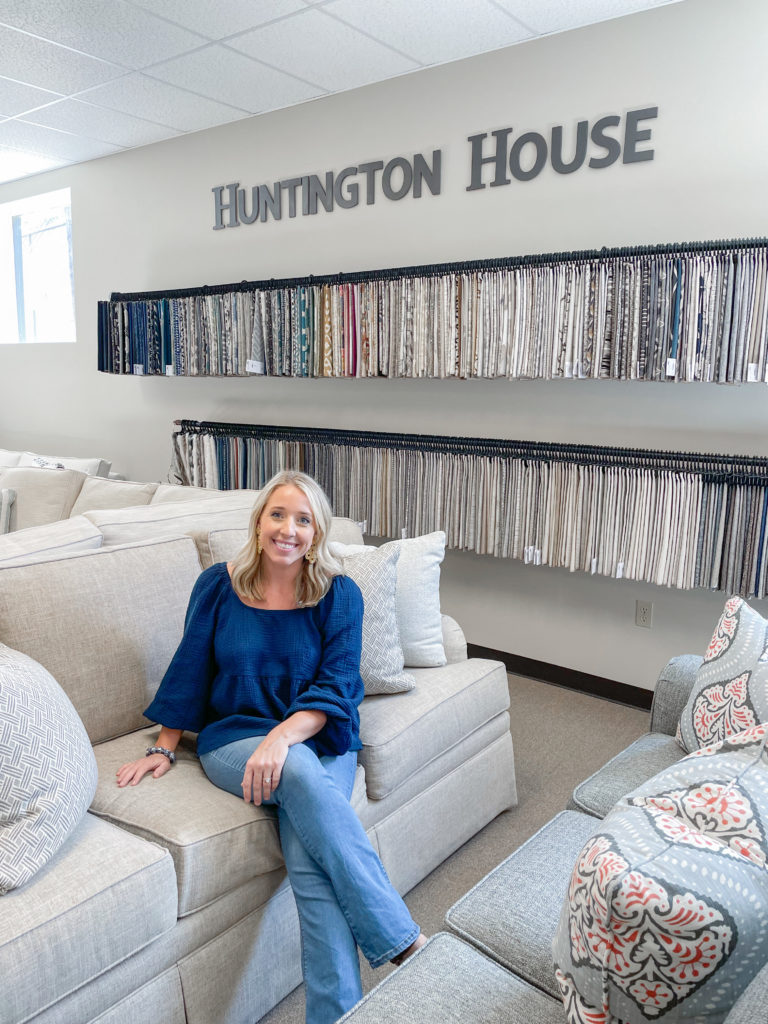
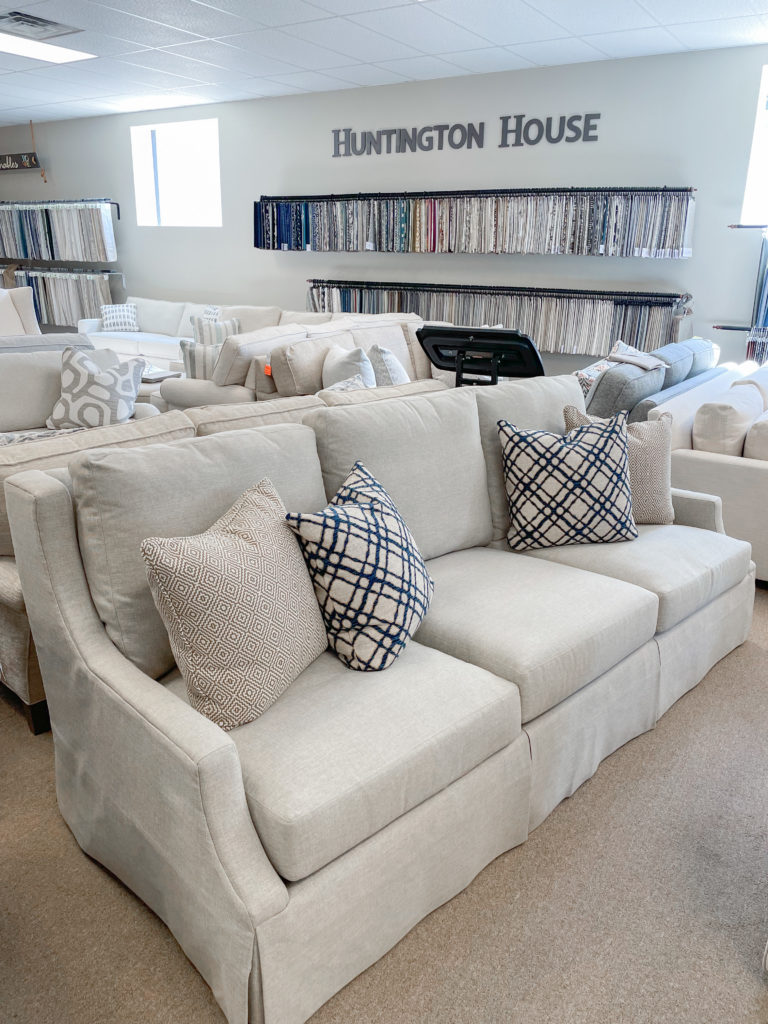
The best sofas are 8-way hand tied and constructed in North Carolina, the epicenter of quality furniture. Huntington House Furniture is my favorite sofa brand that offers hand-constructed, custom sofas. Every detail is carefully curated, and even their fabric is locally sourced. Barnett Furniture in Trussville, Alabama, has the cutest inventory and best deals, and best of all: Huntington House Furniture! Be sure to look for Shannon or Carmen; they have all the knowledge and insider info on sofas!
The Sofa Buying Mindset That Changes Everything
If there’s one takeaway from both Sofa Scoop posts, it’s this:
A sofa should be chosen for how it will live, not just how it looks on delivery day.
Think about:
- Who sits there most often
- Whether cushions can be rotated
- How much maintenance you’re willing to do
- What kind of wear your household creates
Those answers matter far more than trend cycles or showroom lighting.
A Simple Sofa Checklist (Use This at the Store)
If you want a quick reference before purchasing, here’s the distilled version of everything above:
- Separate seat cushions age better than bench cushions
- Foam-supported cushions outlast down-only fills
- 8-way hand-tied construction offers superior longevity
- Tightly woven performance fabrics resist pilling best
- Craftsmanship and transparency matter more than brand hype
Final Thought
I don’t believe there’s one “perfect” sofa for everyone. But I do believe there are avoidable mistakes—and most of them come down to not knowing what questions to ask.
If Sofa Scoop Part One helped you decide which brands to consider, this post is meant to help you decide what to look for, no matter where you shop.
And if it saves you from one expensive regret, it’s done its job.
More About Huntington House Furniture
Huntington House is a three-generation family-owned business. All of their products are hand-constructed in North Carolina. They are dedicated to superior craftsmanship and style, and they even locally source their 300+ fabrics and materials.
You can expect most basic sofas to last 3-5 years. Most big brands and online retailers use parts made overseas, and they just don’t have a long life. With a custom American-made sinuous spring sofa that gets lots of love, you can expect about 6-8 years of longevity. However, an 8-way hand tied sofa can last anywhere from 9-14 years!
Where to Buy

Huntington House has retail partners all over North America. Check out Huntington House’s Where to Buy Map to find a retailer near you!
More Information On Sofas
To get more insider info and hear about my reader’s favorite sofas, check out the Sofa Scoop Part One and the Sofa Scoop Part Three!